category

0
total
0
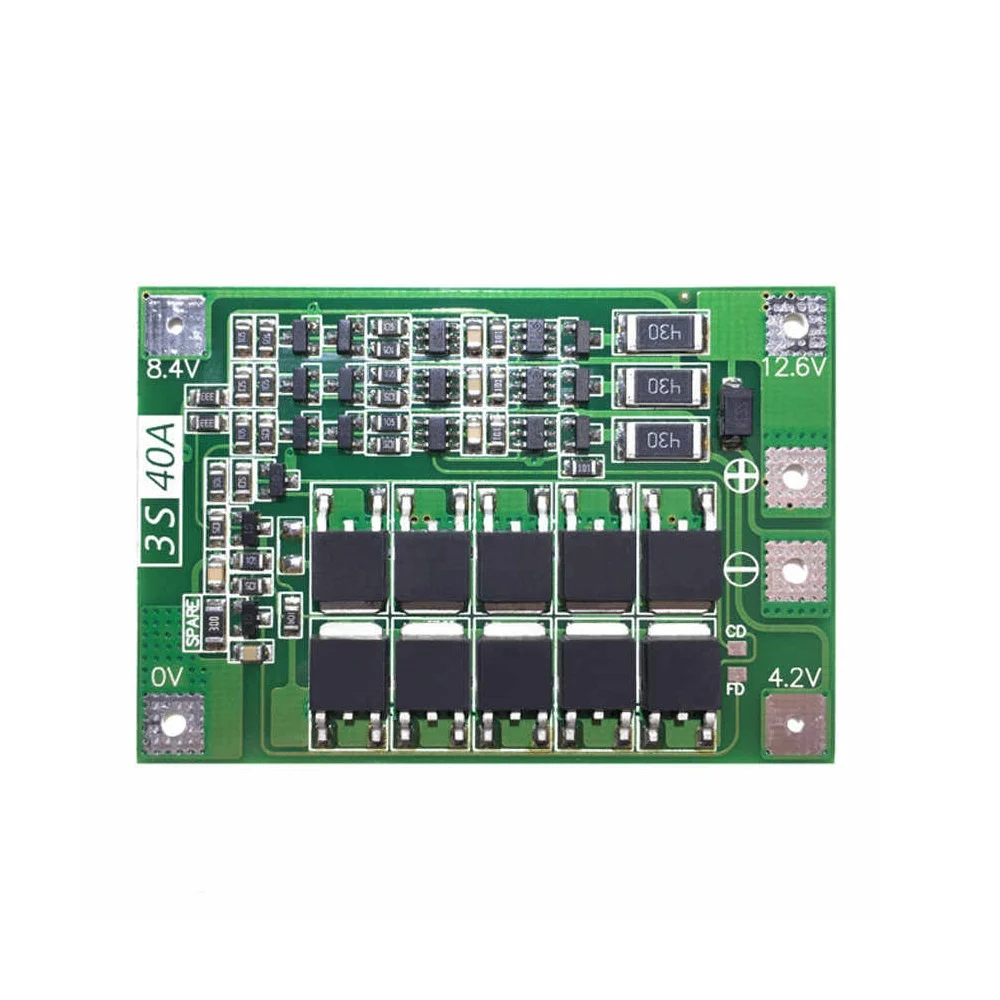
Lithium Battery Charger Protection Module (BMS) 3S 40A 12.6V
Key Features
- High Current Capacity: Capable of handling up to 40A, suitable for a variety of applications.
- 3S Configuration: Specifically designed for 3-series lithium battery packs, providing optimal performance.
- Voltage Rating: Operates at a maximum voltage of 12.6V, ensuring safe charging and discharging.
- Short Circuit Protection: This BMS includes advanced circuitry to prevent short circuit conditions that can damage batteries.
- Overcharge Protection: Automatically stops charging when battery voltage exceeds set limits to prolong battery life.
- Over-discharge Protection: Prevents the battery from discharging below a critical voltage level, maintaining capacity and longevity.
- Thermal Protection: Built-in temperature sensors safeguard against overheating, promoting safe operation.
- Balance Charger Functionality: Ensures all cells are charged evenly for improved battery performance and lifespan.
Applications
This Lithium Battery Charger Protection Module is ideal for use in various applications, including:
- Electric vehicles (EVs)
- Power tools
- Solar energy storage systems
- DIY battery projects and custom battery packs
- Consumer electronics
- Portable power banks
Energy
With the Lithium Battery Charger Protection Module, users can efficiently manage energy flow in lithium battery systems. The 3S configuration allows for a balance between energy density and safety, making it an attractive option for both professional and hobbyist use. The module optimizes energy usage by preventing overcharging and deep discharging, stabilizing overall energy availability.
How to Use
Using the BMS is straightforward:
- Connect the Battery Pack: Ensure correct connections to the BMS terminals, matching them precisely with the positive and negative terminals of the 3S battery configuration.
- Install the Module: Secure the module in a place that receives adequate airflow and is protected from environmental hazards.
- Charging: Connect the charger to the BMS input; the module will automatically manage the charging process.
- Monitoring: Regularly check the module's indicators for battery status (charged/charging/discharged).
- Safety First: Always observe all safety guidelines; disconnect and inspect the module, especially if abnormal conditions are noticed.
For more technical details, you can access the datasheet here.
related products

Popular Brand