category

0
total
0
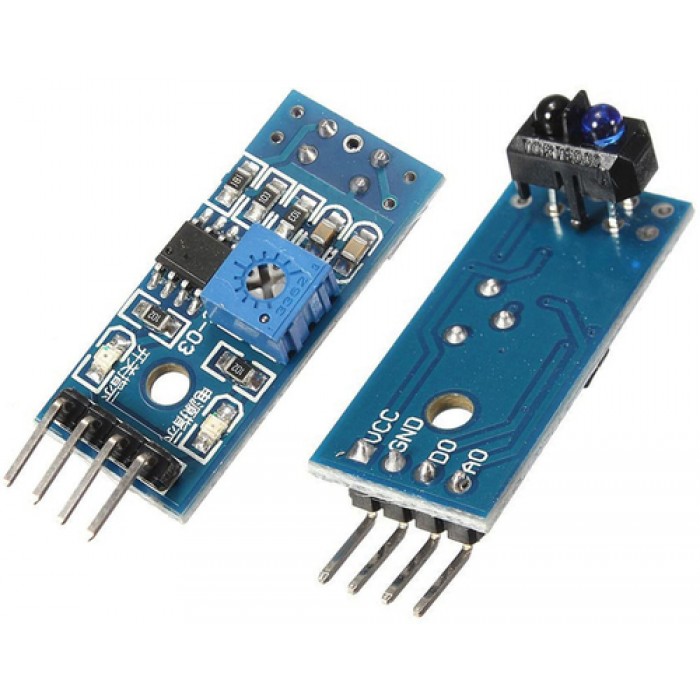
Line Follower Sensor
The Line Follower Sensor is a sophisticated device designed to detect and follow lines or paths on a surface. This sensor is extensively used in robotics, particularly in autonomous vehicles and robotic kits intended for education and hobbyist applications.
Key Features
- High Sensitivity: The sensor is equipped with high-performance phototransistors that allow for precise detection of lines or differences in light reflection from surfaces.
- Multiple Sensor Array: Often integrated with multiple infrared emitter and detector pairs, these sensors can discern the presence or absence of lines with exceptional accuracy.
- Adjustable Detection Range: Many line follower sensors come with adjustable sensitivity settings, allowing users to fine-tune the detection range based on environmental conditions.
- Easy Integration: The sensor modules usually provide standard pin outputs, making them easy to interface with various microcontrollers including Arduino, Raspberry Pi, and others.
- Robust Design: With a durable construction, these sensors are built to withstand the rigors of operation in dynamic environments.
Applications
Line follower sensors are primarily used in the following domains:
- Robotics: Used in robot competitions, educational projects, and autonomous robots that follow marked paths.
- Industrial Automation: Employed in conveyor systems where guiding and tracking of objects along paths is required.
- Consumer Electronics: Incorporated in various smart devices and toys to enhance interactive functionalities.
Energy
The operational efficiency of line follower sensors is impressive. They typically require a low-voltage power supply, often between 3V to 5V DC, and consume minimal current, allowing for extended usage without significant battery drain. This energy efficiency makes them ideal for small robotic systems where weight and power consumption are critical factors.
How to Use
Using a line follower sensor is straightforward. Follow these steps to integrate the sensor into your project:
- Connect the Sensor: Wire the sensor to your microcontroller. Refer to the pinout diagram for connecting the power, ground, and output pins appropriately.
- Upload the Code: Program the microcontroller using a relevant library or custom code that reads the output from the sensors and translates this into movement commands for the motors.
- Calibrate the Sensor: Adjust the sensing thresholds in your code based on the surface conditions and the color or material of the line versus the background.
- Test the Setup: Run your robot to see how it responds to the line. Make any necessary adjustments based on performance and reliability.
related products


Popular Brand